


Doors - Wine Cellar
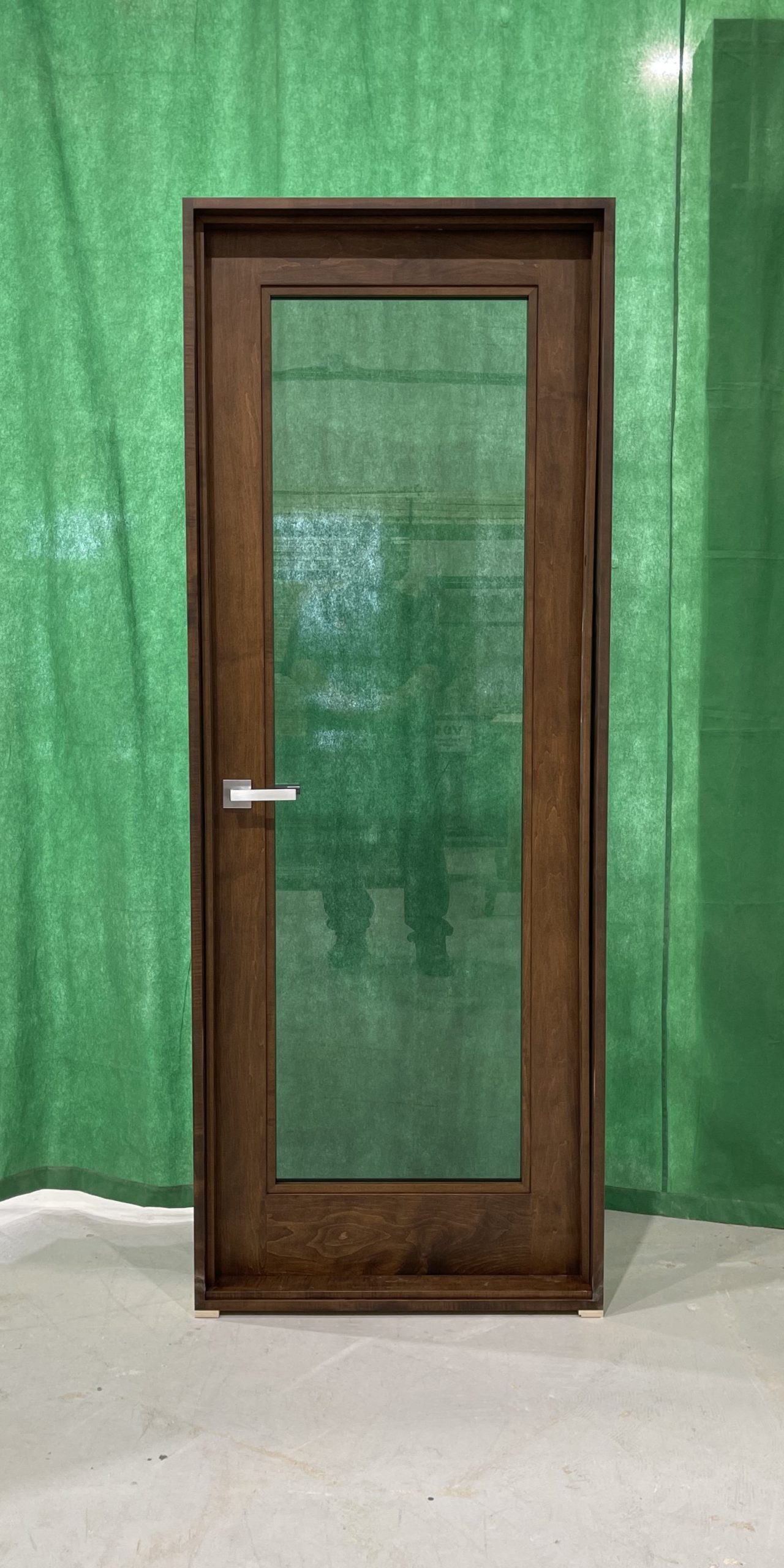
Wine cellar door – ref. 002700
Project: 002700
Glazed, insulated and built in solid wood. Our wine cellar doors protect the bottles while turning the cellar into a centerpiece of the home.

A cellar is not only its racks and climate system. The door is the element that seals the environment, maintains temperature and controls humidity. It is also the first thing your guests see. At MICHELENA, we build custom wine cellar doors that meet both requirements at once. Thermal performance on one side, visual presence on the other. Tempered glazing, noble wood frame, wrought iron or stainless steel hardware. The result is a door that protects your investment and showcases your passion.

A wine cellar holds 12°C to 14°C and a humidity rate of 55% to 75%. The door must prevent ambient air from entering this controlled environment. That requires specific materials and construction.
Low-emissivity tempered double glazing to limit thermal exchange. Continuous sealing joint around the full perimeter of the frame. Threshold adjusted to eliminate air infiltration. By comparison, metal or PVC frames offer markedly inferior insulation.

Every custom door is designed to meet the specific conditions of a residential or commercial wine cellar.
Stainless steel or aluminum wine cellar doors exist. Here is why wood remains the choice of connoisseurs.
Wood absorbs and releases humidity naturally. In an environment at 55-75% humidity, it helps stabilize interior conditions rather than fight them.
Insulating 400 times better than steel, wood combined with tempered glazing reduces the load on the climate system and protects the bottles from temperature swings.
Visible grain, warm tone and natural texture. Wood blends into prestige residential spaces with an elegance that polished or brushed metal cannot reproduce.
Four steps to obtain a door perfectly suited to your cellar’s conditions.
Measurement of the opening, evaluation of the existing climate system, and discussion of the desired visibility level. Photos of the space are welcome.
Technical drawing including glazing type, frame species, hardware and closing system. Full validation before manufacturing starts.
The critical step in a cellar door is the sealing. The frame is machined to the tolerances required for insulated glazing, joints are installed continuously, and the surface treatment is applied to withstand a wine cellar’s high humidity. None of these points is negotiable.
Fitting by our team or your contractor. Threshold adjustment, sealing check and closing calibration for optimal seal.
Browse the wine cellar door projects. Solid, glazed or mixed, high-durability finishes, custom thermal sealing.
24 of 24 projects
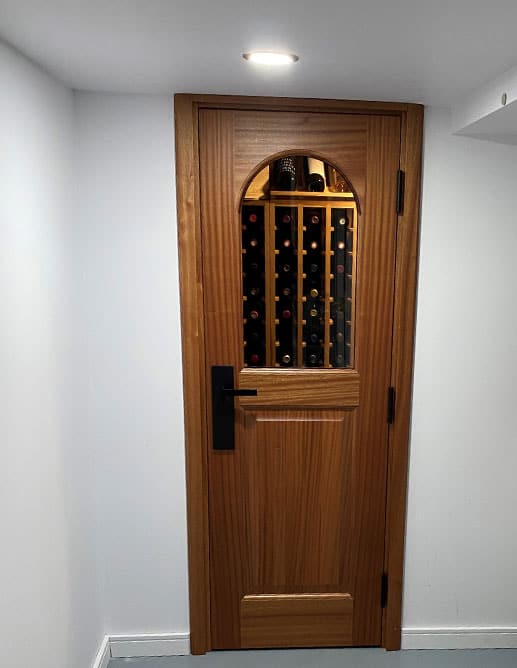
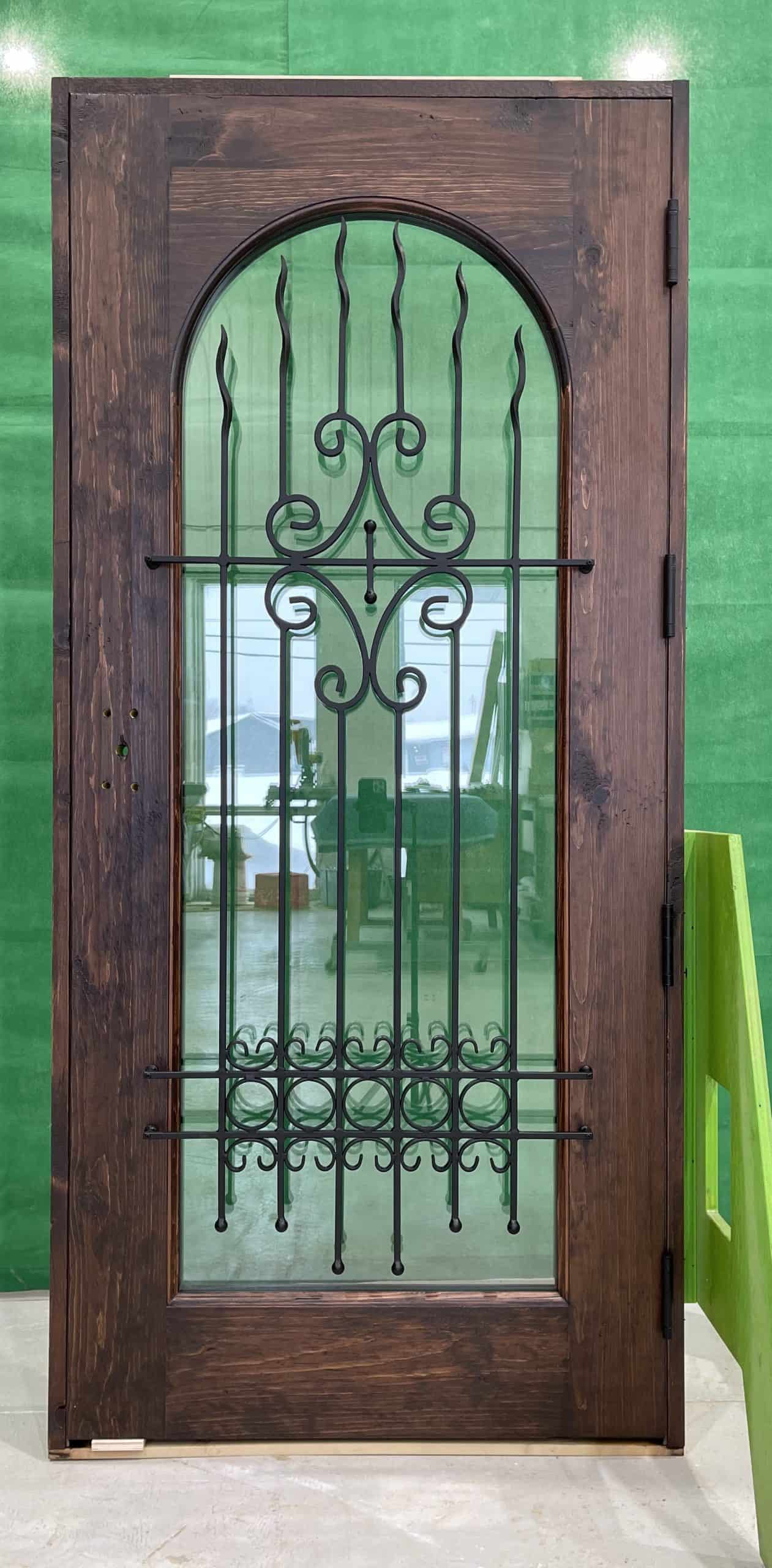


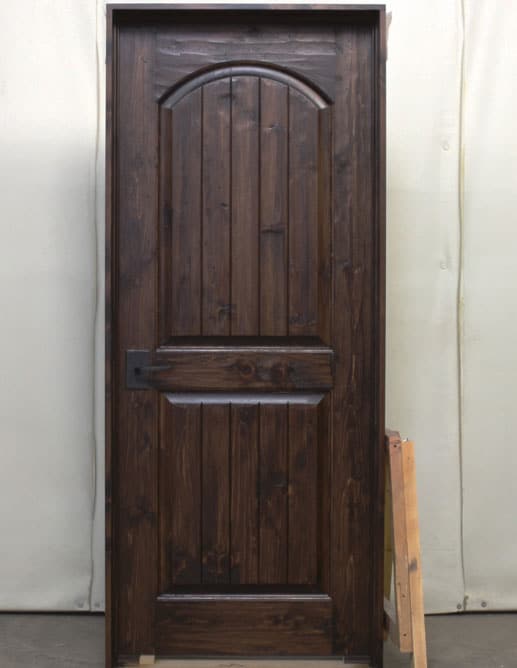

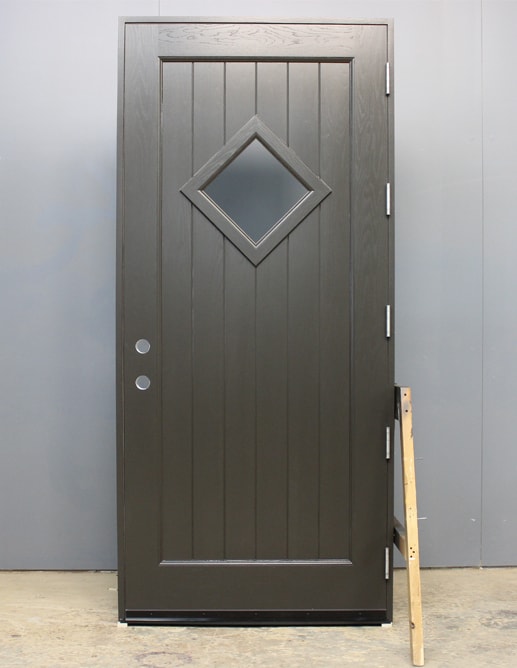
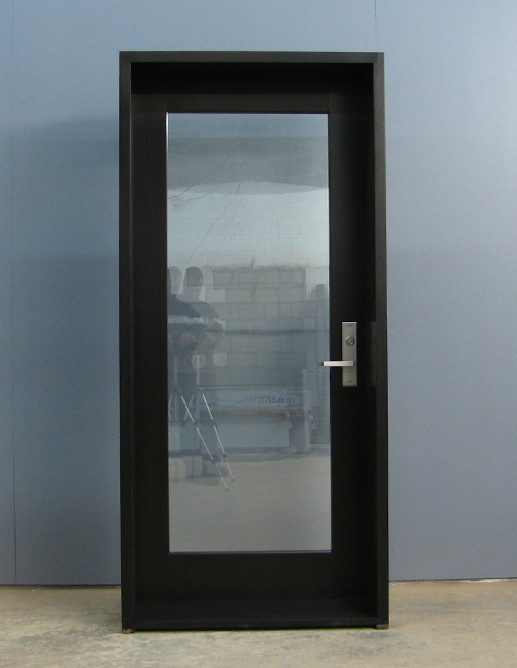

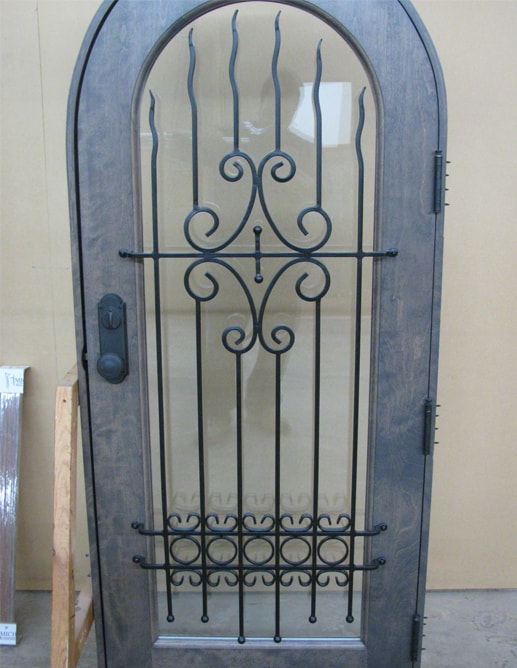
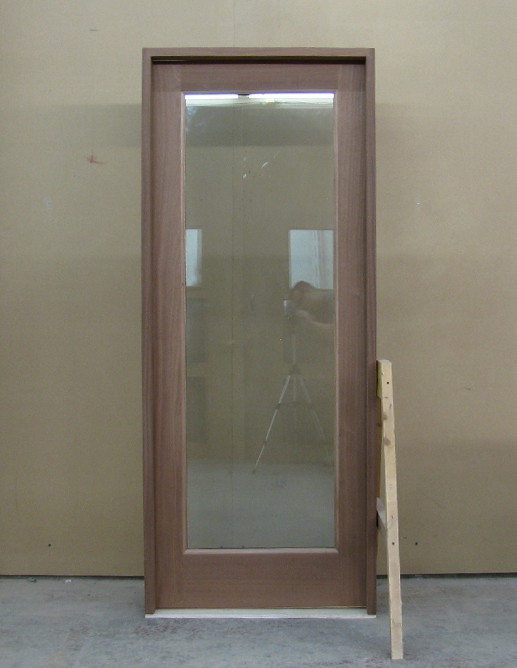
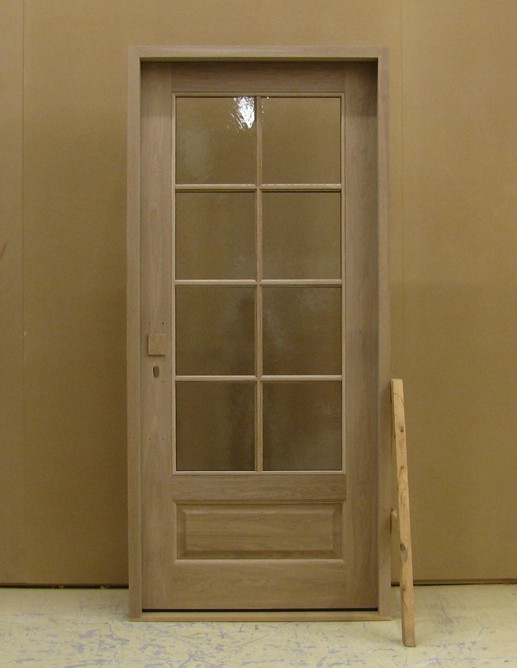


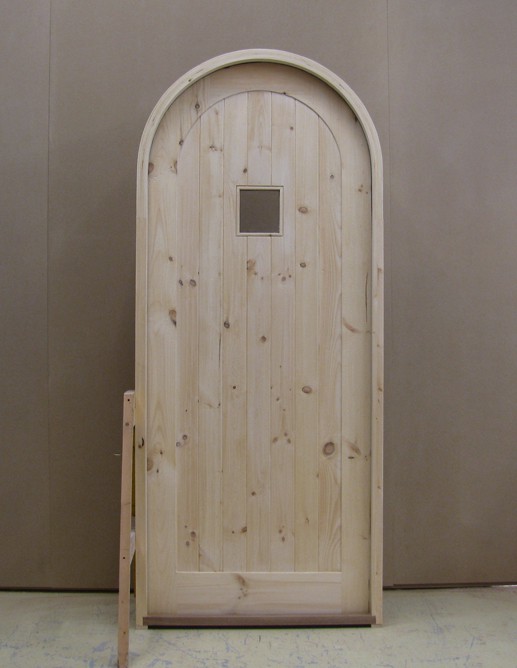


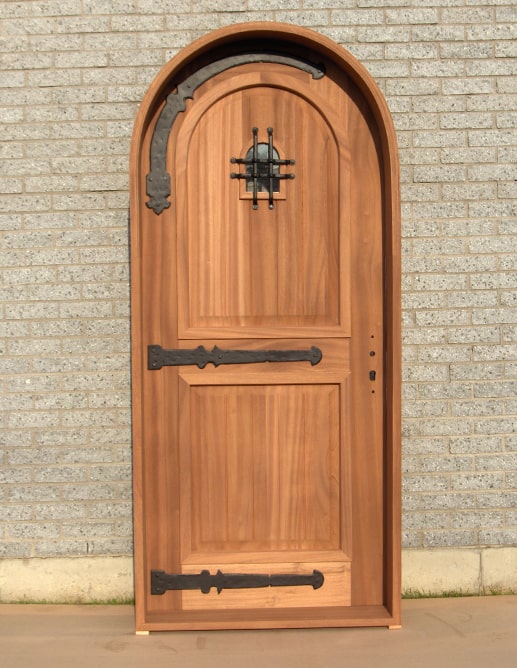


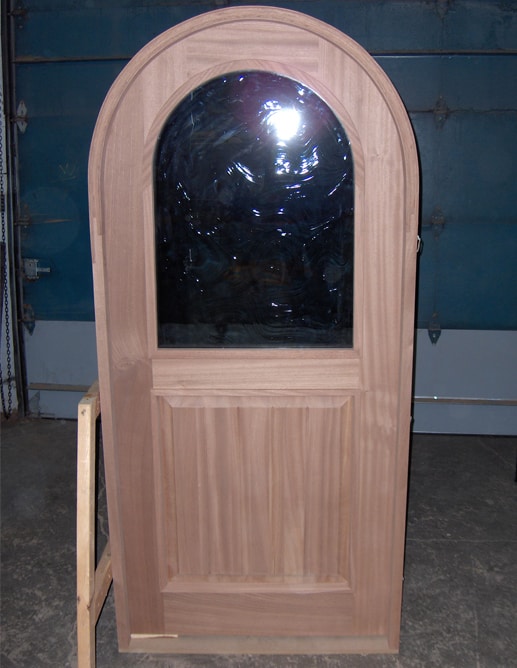


A wine cellar door is not a decorative door. It protects a controlled environment: temperature, humidity, UV exposure, sealing. Five questions come back at quote time.
Common targets are 12 to 14°C and 55 to 75% humidity, as mentioned in the Design section. Serious wine cellars tolerate variations of about ±1°C per day; beyond that, the wine suffers. The door is one of the weak points of this regulation, hence the care given to the frame, the insulated glazing and the joints.
No. The low-emissivity tempered double glazing used in our doors filters out harmful UV rays while allowing visibility. For particularly sensitive collections, an additional anti-UV treatment can be applied.
White oak leads the way. It naturally resists humidity and its grain harmonizes with barrels and traditional racks. Mahogany and walnut are also suited to a darker or more contemporary look.
Yes. Our doors are built to order to fit existing openings. Dimensions are measured during the initial assessment. If the opening needs to be modified, we supply the necessary structural recommendations.
The factory-applied surface treatment protects the wood from the cellar’s high humidity. An annual visual inspection of the joints and glazing is enough. If the joint loses its elasticity, it can be easily replaced without removing the door.
Tell us about the cellar. Dimensions, location, climate system, desired visibility level. Our team prepares a detailed quote and a technical drawing suited to the project.